
I'm Eddy Bogomolov, AI & Product Consultant. I help companies identify high-value opportunities for AI and turn them into practical products, workflows, and measurable business outcomes.
I've spent 10+ years in product design, but not all of them pushing pixels. I've designed products, led teams, run workshops, and spent a lot of time on problems that had very little to do with the interface. That's what pulled me into AI.
Most engagements start the same way: What's broken? Where are people wasting time? Where are customers dropping off? Is AI even the right solution? From there I map processes, run workshops, prioritize opportunities, prototype, and validate, sometimes redesigning UX, sometimes introducing an agent, sometimes recommending no AI at all. I'm also building Snapfast.ai. UX still matters. Ultimately I care whether we moved the number.
What I do
AI + UX Discovery
You have more AI ideas than you can fund. I map the workflow and name the one that pays for itself.
AI + UX Strategy
Product, business, and engineering each have a plan. I run the workshop that picks one problem and a case leadership can fund.
AI Agents & Workflows
A working agent or workflow, tested with users, before you scale the build.
AI + UX Design
AI and product experiences people understand, trust, and keep using, measured by conversion, retention, or time saved.
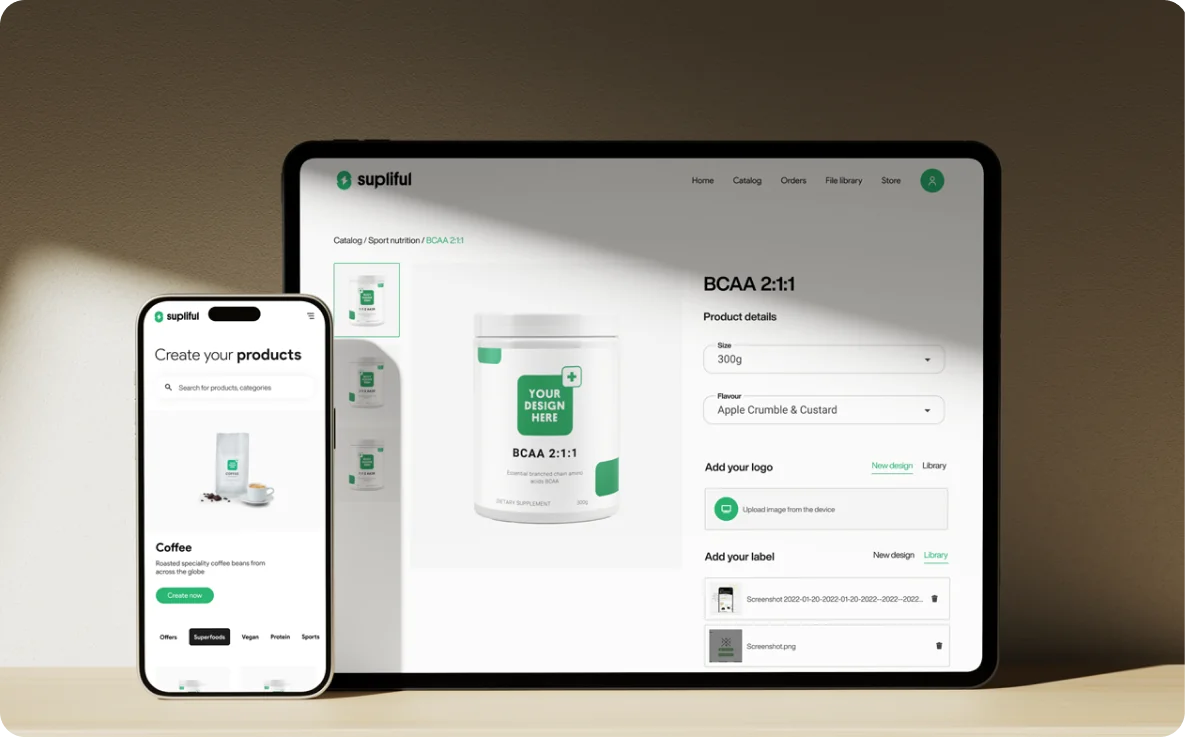
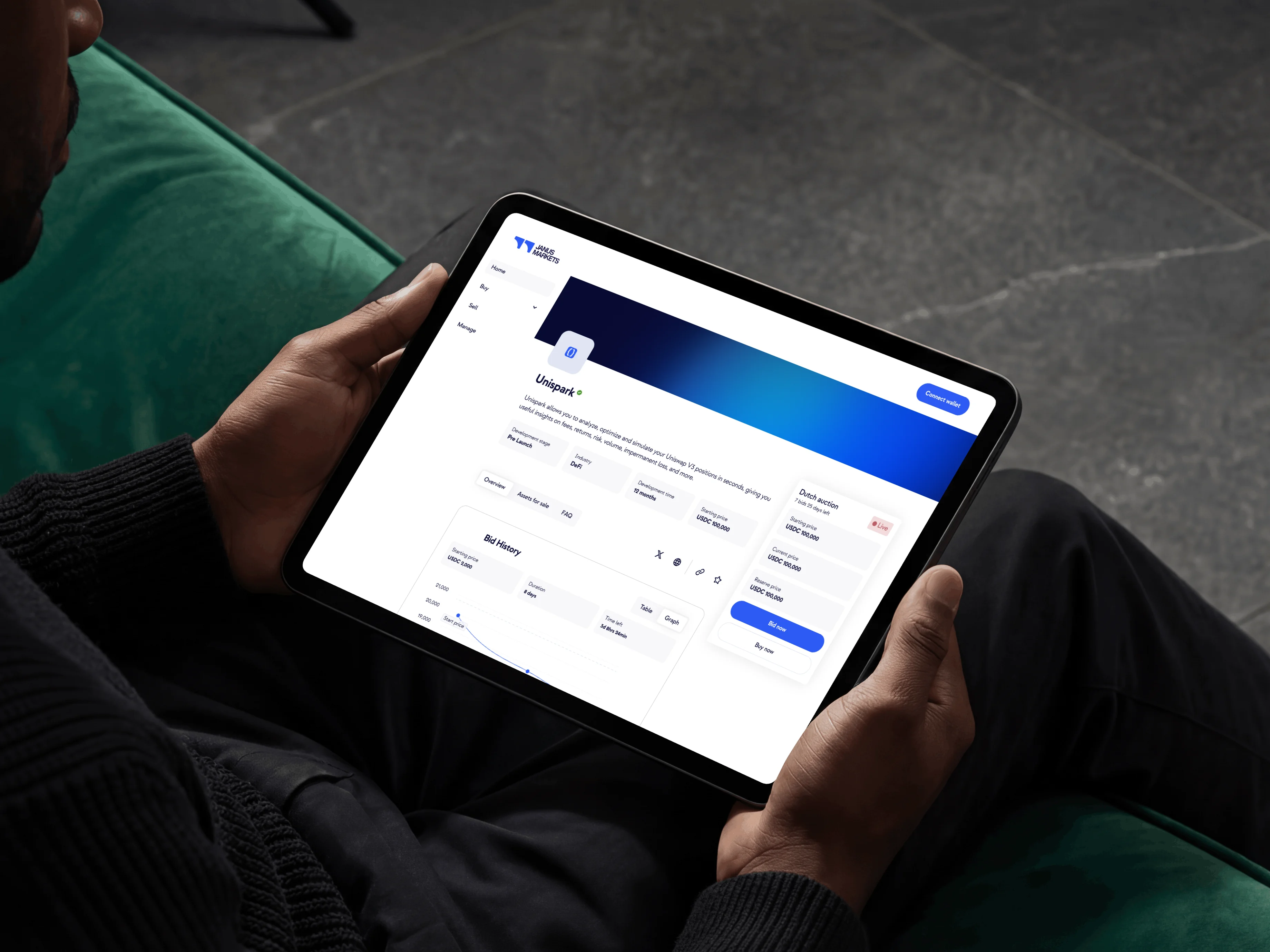
What I've built


Certifications

NN/g UX Certified
NN/g UX certification: research, usability, interaction design, and human-centered design.
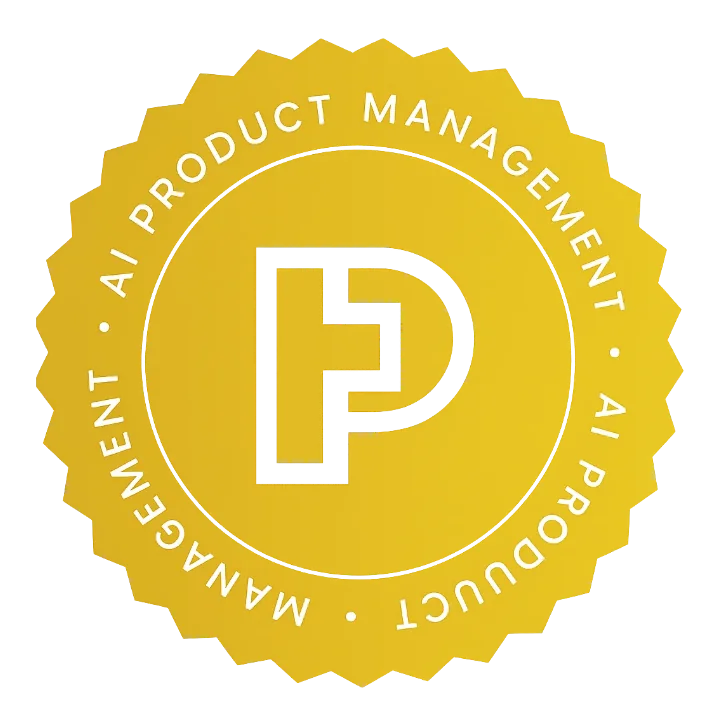
AI Product Management Certified
Product Faculty certification in AI product strategy, LLM products, and AI workflows.
Solo Founder


UX Tribe
Mentorship program for designers moving into product design: real projects, portfolio reviews, career coaching.


Snapfast
Where I apply the same AI + UX thinking to my own product: trends and creators that suggest what content to make next.